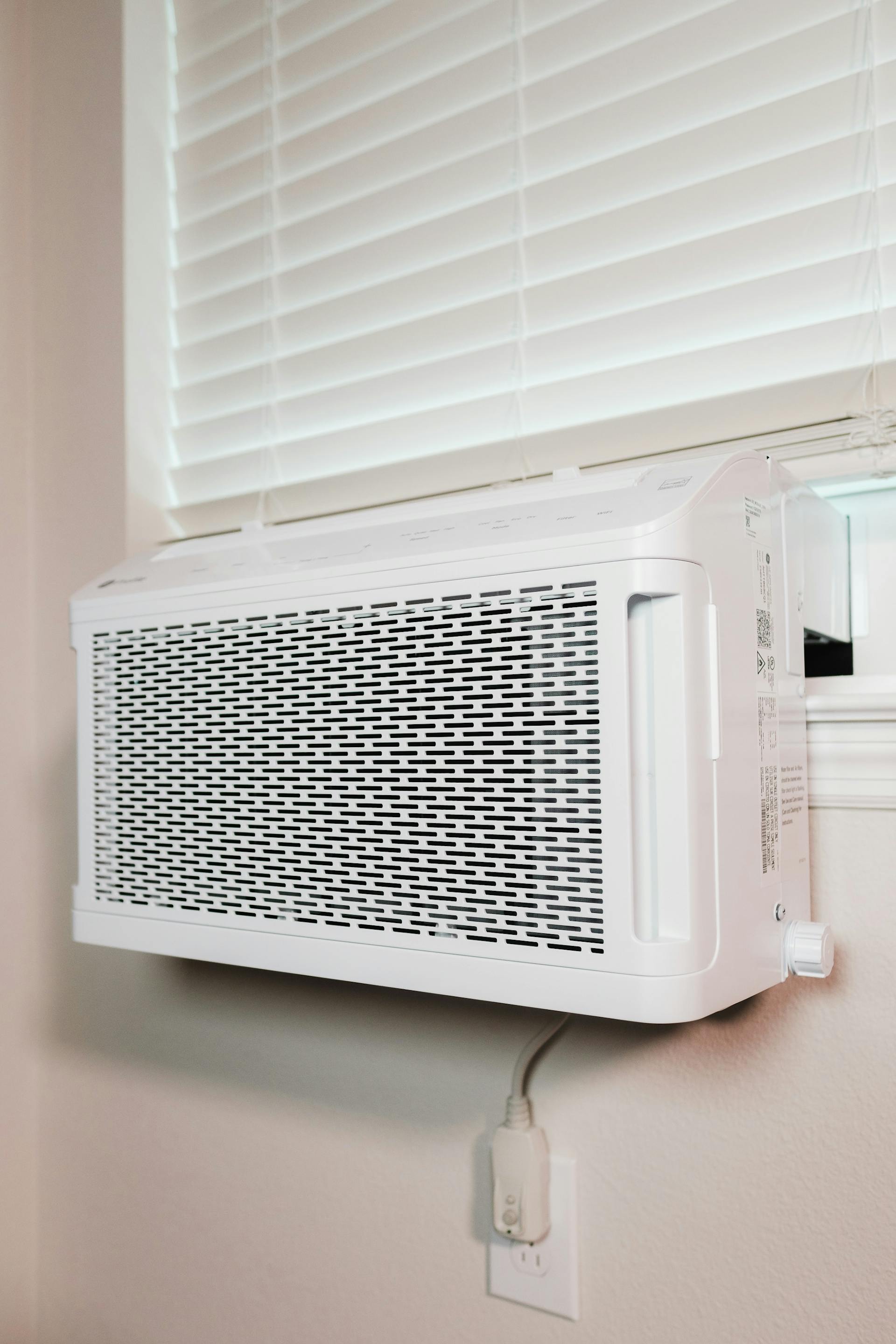
Mini-Split Installation for New Construction Buildings
Specialized mini-split installation for New Construction buildings in NYC.
Specialized mini-split installation for New Construction buildings in NYC.
New construction buildings in New York City, built after 2010, benefit from modern HVAC design principles, advanced equipment technology, and compliance with the latest energy codes. These buildings typically feature well-insulated building envelopes, energy-efficient windows, and HVAC systems designed with sophisticated load calculations and energy modeling. Common systems in new NYC construction include variable refrigerant flow (VRF) technology, high-efficiency heat pumps, energy recovery ventilators, and integrated building automation systems that optimize performance in real time. Many new developments pursue LEED certification or Passive House standards, requiring HVAC systems that achieve exceptional energy performance. Despite their modern design, new construction buildings still require professional maintenance to ensure equipment warranties remain valid and systems continue to perform at peak efficiency. Commissioning and retro-commissioning services are essential to verify that systems operate as designed and to identify optimization opportunities as the building matures. Our team works with developers, property managers, and owners of new construction properties to provide installation, commissioning, warranty support, and ongoing maintenance services that protect your investment and ensure lasting comfort and efficiency.
When it comes to mini-split installation in new construction buildings, our technicians bring specialized expertise.
In-home consultation to evaluate layout, determine zones, and select indoor unit types
System design with equipment specification, board application support, and permit filing
Professional installation with careful line-set routing, wall penetrations, and condensate drainage
Electrical connection, refrigerant charging, and system startup testing
Zone-by-zone performance verification and walkthrough of controls and maintenance
A ductless mini-split is an HVAC system that provides heating and cooling without requiring ductwork. It consists of an outdoor compressor unit and one or more indoor air-handling units connected by refrigerant lines and electrical wiring. Mini-splits are the most popular HVAC solution for NYC apartments, brownstones, and buildings without existing ductwork because they are highly efficient, easy to install, and provide individual room temperature control.
A single-zone ductless mini-split system in NYC typically costs $3,500-$8,000 installed, depending on the brand, capacity, and installation complexity. Multi-zone systems that serve multiple rooms from one outdoor unit cost $8,000-$25,000 depending on the number of indoor units and installation requirements. Factors that affect price include building access, line set length, electrical upgrades needed, and permit requirements.
Yes, modern cold-climate mini-split heat pumps can heat effectively even during NYC's coldest weather. Models from manufacturers like Mitsubishi (Hyper-Heating), Fujitsu, and Daikin maintain full heating capacity at outdoor temperatures well below freezing, with some rated to -13 degrees Fahrenheit. Mini-split heat pumps are 200-300% efficient, meaning they produce 2-3 units of heat for every unit of electricity consumed, making them very cost-effective.
The number of indoor units depends on the number of rooms you want to heat and cool independently, the layout of your space, and the capacity of each unit. As a general guide, each separate room where you want independent temperature control needs its own indoor unit. Open-concept spaces may only need one unit for a large area. We perform a room-by-room assessment to recommend the optimal configuration.
Regular mini-split maintenance includes cleaning or replacing the air filters every 2-4 weeks (most can be rinsed and reused), keeping the outdoor unit clear of debris, leaves, and snow, having the system professionally serviced annually (including coil cleaning, refrigerant check, and electrical inspection), and cleaning the indoor unit's coils and condensate drain line. Neglecting maintenance reduces efficiency and can lead to mold growth inside the unit.
Mini-splits are among the quietest HVAC systems available. Indoor units typically produce 19-32 decibels, which is quieter than a whisper (30 dB) at the lowest settings. Outdoor units are also notably quiet, typically 48-58 decibels. This makes mini-splits ideal for bedrooms, home offices, and NYC apartments where neighbors are close. They are significantly quieter than window AC units or PTAC units.
Yes, but you will need board approval. Most co-op and condo boards have rules about exterior modifications (for the outdoor unit placement) and require review of the installation plan. Some buildings have designated locations for outdoor units, while others restrict placement to avoid aesthetic issues. We have experience working with NYC co-op and condo boards and can prepare the documentation needed for approval, including engineering plans and installation specifications.
With proper maintenance, a quality mini-split system typically lasts 15-20 years. The outdoor compressor unit tends to be the component that determines the system's overall lifespan. Annual professional maintenance, regular filter cleaning, and keeping the outdoor unit clear of debris will help maximize the system's life. Brands like Mitsubishi, Daikin, and Fujitsu are known for particularly long service lives.
Yes, installing a mini-split system generally increases property value in NYC, particularly in buildings that lack central air conditioning. Buyers and renters in the NYC market place high value on reliable, efficient cooling and heating, and mini-splits are recognized as a premium upgrade over window units. The energy efficiency of mini-splits also appeals to environmentally conscious buyers and can improve a building's energy rating.
Yes, multi-zone mini-split systems connect multiple indoor units (typically 2-5) to a single outdoor unit. Each indoor unit has its own thermostat for independent temperature control. This is ideal for brownstones and apartments where you want to condition multiple rooms without installing multiple outdoor units. The outdoor unit must be sized to handle the combined capacity of all connected indoor units.
Fill out the form below and we'll get back to you within 1 hour during business hours.