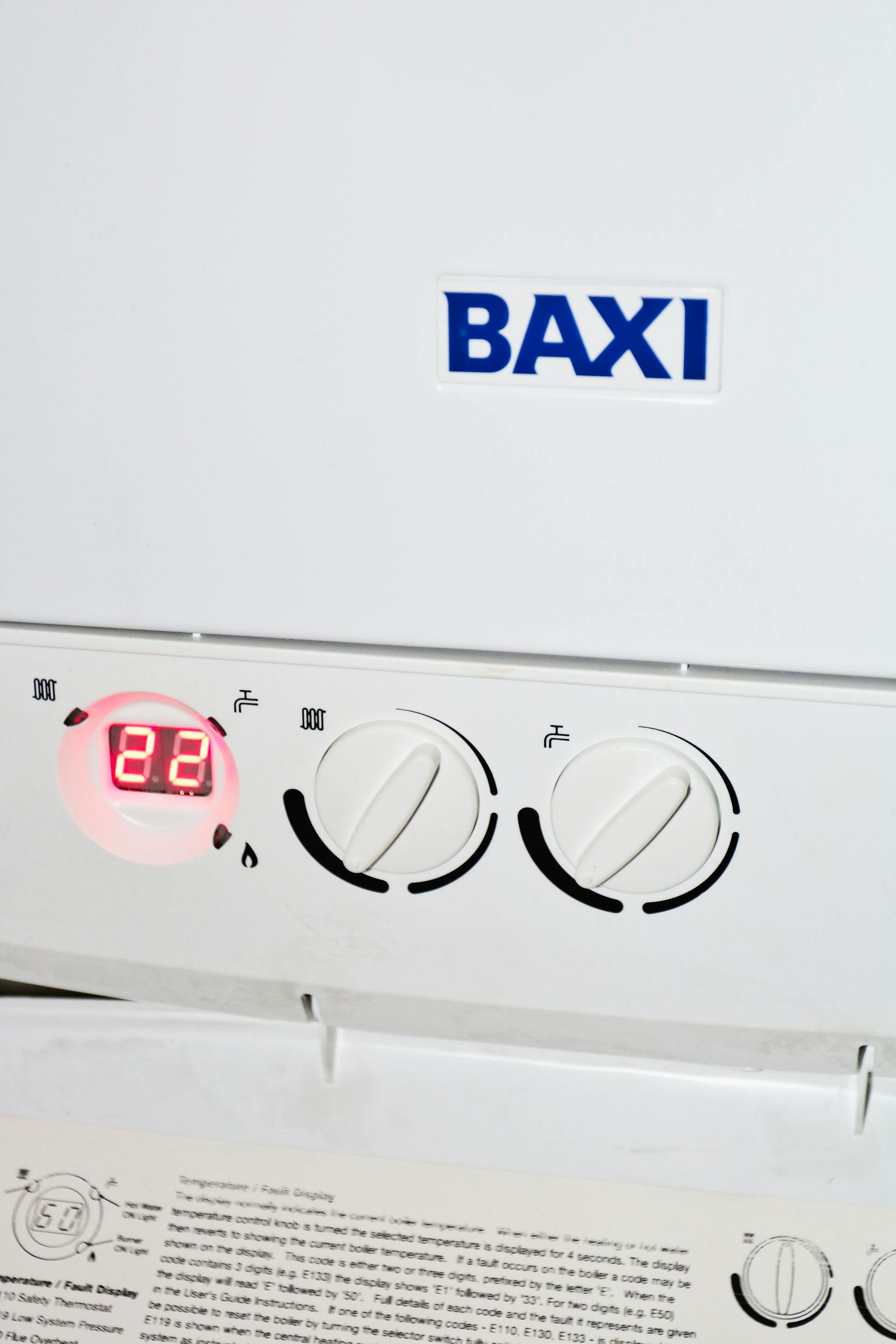
Boiler Maintenance in New York City
Essential service for safe, efficient heating
Essential service for safe, efficient heating
Boiler maintenance in New York City is not just good practice—it is a regulatory requirement for many buildings. NYC's Department of Buildings mandates annual inspections for high-pressure boilers and periodic inspections for low-pressure systems. The city's Housing Preservation and Development department holds building owners responsible for maintaining heating systems in proper working order, and failures that result in heat outages can lead to violations, fines, and emergency repair orders. Beyond compliance, annual boiler maintenance is the single most effective way to prevent mid-winter heating failures. A comprehensive maintenance visit catches small problems—a corroded flue section, a drifting pressuretrol setting, sediment accumulation in the heat exchanger—before they escalate into expensive repairs or dangerous conditions. Carbon monoxide poisoning from malfunctioning boilers is a real risk in NYC, where older buildings may have inadequate ventilation around boiler rooms, and combustion analysis during maintenance ensures the burner is operating safely. For steam boilers, which heat the majority of NYC's older buildings, maintenance includes critical tasks like testing the low-water cutoff (a safety device that prevents the boiler from firing when water drops below safe levels), cleaning the pressuretrol, blowing down the boiler to remove sediment, and checking steam traps throughout the building. Hot water boiler maintenance covers circulator pump operation, expansion tank pressure, water chemistry, and zone valve function. Our maintenance service includes a complete written report suitable for building records, co-op board presentations, and DOB compliance documentation. We recommend scheduling boiler maintenance in late summer or early fall so any issues found can be addressed before heating season begins.
Full boiler inspection including burner, heat exchanger, controls, and safety devices
Clean burner assembly, combustion chamber, and heat exchanger surfaces
Test and calibrate safety controls including low-water cutoff and pressure relief
Perform combustion analysis and adjust burner for optimal efficiency and safety
Provide detailed written maintenance report with findings, measurements, and recommendations
Typical cost for Boiler Maintenance in NYC: $150 - $350. Actual cost depends on your building type, system size, and complexity. Get a free estimate for your specific situation.
Pre war apartment: Pre-war steam boiler maintenance must include testing the low-water cutoff, cleaning the pressuretrol, and inspecting steam traps. These components are critical for safe and efficient steam system operation.
High rise condo: High-rise boiler maintenance involves larger systems with multiple burners and more complex controls. We service both building-wide plants and individual unit components as part of comprehensive programs.
Brownstone: Brownstone boiler maintenance is straightforward but essential. Annual service catches problems early and keeps heating costs manageable through proper burner tuning and system cleaning.
Commercial building: Commercial boiler maintenance is required for regulatory compliance and insurance purposes. We provide the documentation and testing that building owners, managers, and inspectors require.
"Our building's boiler died on the coldest night of the year and these guys had a technician at our door within an hour. He diagnosed the problem, had the part on his truck, and had us back up and running before midnight. Saved our entire building from a miserable night."
"Had three Mitsubishi mini-splits installed in our Park Slope brownstone. The team was incredibly professional — they protected our floors, ran the lines neatly through the walls, and left the place cleaner than they found it. The units are whisper quiet and our first summer electric bill was actually lower than when we had window units."
"We manage 12 buildings in the Bronx and have been using this company for all our HVAC maintenance for three years. They keep our boilers running, handle all the DOB inspections, and their emergency response has been reliable every single time. Having one company that knows all our buildings has simplified our operations enormously."
NYC boilers should be professionally serviced at least once per year, ideally before the heating season begins in October. This annual service is also required to maintain compliance with NYC DOB boiler inspection requirements. The service should include cleaning the burner, checking combustion efficiency, testing all safety controls, inspecting the heat exchanger, and checking water levels and pressure.
A steam boiler heats water until it becomes steam, which rises through pipes to radiators by its own pressure. A hot water boiler heats water and uses circulator pumps to push it through pipes to radiators or baseboard units. Hot water systems are generally more efficient and easier to control, but many older NYC buildings use steam systems that are still functional and effective when properly maintained.
Pressure loss in a hot water boiler system is almost always caused by a water leak somewhere in the system. Common leak locations include radiator valves, pipe joints, the expansion tank, the pressure relief valve, and the boiler itself. A small amount of pressure fluctuation is normal, but if you need to add water frequently, you have a leak that should be found and repaired. Running a boiler with chronically low pressure can damage the equipment.
Residential boiler replacement in NYC typically costs between $6,000 and $15,000 for a standard efficiency unit, and $8,000 to $20,000 for a high-efficiency condensing boiler. Costs vary based on the boiler size, type, brand, complexity of installation, and whether piping or venting modifications are needed. Commercial boiler replacement costs significantly more depending on the capacity required.
Boiler sizing requires a professional heat loss calculation that considers the building's square footage, insulation levels, window area and type, number of units, hot water demand, and the outdoor design temperature for NYC. Oversizing wastes energy through short cycling, while undersizing leaves the building cold on the coldest days. We perform detailed calculations to recommend the right size for your specific building.
Frequent cycling (short cycling) means the boiler turns on and off more often than it should. Common causes include an oversized boiler, a faulty thermostat or aquastat, a malfunctioning circulator pump, airlock in the system, or a problem with the boiler's internal controls. Short cycling wastes energy, increases wear on the equipment, and often means the building is not being heated effectively.
Condensing boilers achieve efficiency ratings of 90-98%, compared to 80-85% for standard boilers. For a typical NYC building spending $3,000-5,000 per year on heating fuel, the efficiency upgrade can save $500-900 annually. The extra cost of a condensing boiler ($2,000-5,000 more than standard) is typically recovered within 3-7 years through fuel savings, and available rebates can shorten that payback further.
Contact a qualified HVAC contractor immediately to review the inspection report and understand what deficiencies were found. Common failure reasons include expired safety controls, improper venting, code violations in the boiler room, and equipment in poor condition. We can address the deficiencies, make necessary repairs, and prepare the boiler for re-inspection. Do not delay, as operating a boiler with outstanding inspection failures can result in significant DOB violations.
Converting from steam to hot water is technically possible but is a major project that involves replacing the boiler, adding circulator pumps, modifying piping, replacing radiators or adding converters, and installing an expansion tank. The cost can be substantial ($30,000-100,000+ for a typical multi-family building), but the benefits include better temperature control, higher efficiency, and quieter operation. A professional evaluation can determine if conversion makes sense for your building.
Signs of a cracked heat exchanger include visible water leaking from the boiler, a drop in system pressure without an obvious external leak, soot or carbon deposits around the heat exchanger, carbon monoxide detector alarms, and a yellow or flickering burner flame. A cracked heat exchanger is a serious safety concern because it can allow combustion gases including carbon monoxide to enter the living space. If you suspect a cracked heat exchanger, call for service immediately.
Fill out the form below and we'll get back to you within 1 hour during business hours.